Search
× Search

Allergic Rhinitis (Nasal Allergies, Hay Fever)

Allergic rhinitis, commonly known as hay fever, is the most common allergic disorder affecting approximately 20% to 25% of the population. The most frequent symptoms are nasal congestion, itchy runny nose, itchy runny eyes, and fits of sneezing. Other frequently accompanying symptoms are headache around the eye area, drainage in the throat, fatigue, and lack of energy. There can also be intense itching of the throat and deep in the ears. The term hay fever is really a misnomer in that it is rarely due to hay, and there is no fever associated with it even though patients feel feverish as the result of the effects of histamine on the blood vessels causing them to dilate and feel warm.

Allergic respiratory symptoms are a result of histamine release along with other chemicals that are either preformed or formed in allergy cells as a result of an antigen antibody interaction.

The job of the allergist is to determine whether the above symptoms are due to allergies or not. Allergic rhinitis is typically classified as seasonal (intermittent) or perennial (persistent), or both. Frequent triggers of true hay fever symptoms include the pollens from grass, tree, and weeds, house dust mite, mold spores, and animal dander. If the above described symptoms are triggered by cleaning one’s home, playing with pets, mowing the grass, etc., then there is high likelihood that symptoms are due to allergies. If your doctor cannot make a correlation of your symptoms with the above triggers, then you need to start thinking outside the allergy box.

The correct diagnostic term for nasal symptoms not due to allergies is non-allergic or vasomotor rhinitis. We don’t understand the mechanism of this condition totally. As the name applies, it is not on an allergic basis, that is to say an antigen antibody interaction. Triggers of non-allergic rhinitis include irritants such as tobacco smoke, chemical odors, cold air, strong perfumes, etc.

Other conditions to consider in people with symptoms of a stuffy nose are hypothyroidism (low thyroid), nasal polyps, tumors (cancer), foreign bodies, infection, and deviated nasal septum. There is also another condition that goes by the acronym N.A.R.E.S. which stands for nonallergic rhinitis with eosinophilia. This means that a person can have all of the symptoms of allergies but are skin test negative, and yet paradoxically have an abundance of allergy cells called eosinophils in their nasal mucus. This condition responds nicely to intranasal steroid sprays.

The nose is the center of the universe to an allergist. If a person does not describe classic nasal symptoms, and for instance only complains that ears or eyes bother them, then the likelihood of symptoms being due to allergies is lessened.

Recent News

SuperUser Account
/ Categories: News

Important Recall Notice for AIRSUPRA Inhalation Aerosol
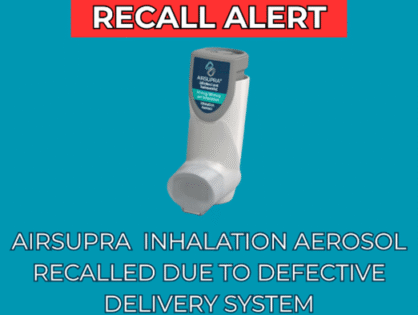
AstraZeneca Pharmaceuticals LP, the maker of the inhalation medication AIRSUPRA® (albuterol and budesonide) aerosol, has initiated a voluntary recall for their product. This recall is effective immediately and involves multiple product lots. The recalled inhalers might not work properly.

Reason for Recall:

A defect in the delivery system of these inhalers has been identified, which may hinder the proper administration of the medication needed for effective asthma control.

Product Details:

Product Name: AIRSUPRA (albuterol and budesonide) inhalation aerosol 

Strength: 90 mcg/80 mcg per inhalation 

Packaging Types:

120-inhalation canister (NDC 0310-9080-12) 

 28-inhalation canister (NDC 0310-9080-28) 

Recall Number:  D-0444-2025 

Affected Lot Numbers:

For 120-inhalation canisters: Lots: 6270044C00, 6270040D00, 6270034E00, Exp Date 10/2026; 6270053C00, 6270045C00, 6270047C00, 6270056C00, 6270052C00, 6270063E00 Exp 11/30/2026; 6270064C00, 6270071D00, 6270075D00, 6270075F00 Exp Date 12/31/2026; 6270107C00, Exp Date 9/30/2027  

For 28-inhalation canisters: Lot 6270019E00, Exp Date 7/31/2025; 6270021D00, Exp 8/31/2025; 6270095C00, Exp 2/28/2026

Rx only, Manufactured for: AstraZeneca Pharmaceuticals LP, Wilmington, DE 19850, By: AstraZeneca Dunkerque Production (AZDP), Dunkerque, France, Product of France

What You Should Do:

Patients and users are advised not to use the inhalers associated with the affected lots. Please contact your pharmacy or healthcare provider as soon as possible to discuss alternative treatment options. Contact the dispensing pharmacy or AstraZeneca for return processing information.

If you are a current patient of the Oklahoma Allergy and Asthma Clinic affected by this recall, please give us a call at 405-235-0040.  

Recall Contact Information:

For product questions, to report an adverse event or side effect, or to report a product quality issue, you can contact the AstraZeneca Information Center by phone at:

1-800-236-9933 (M-F, 8AM-6PM ET, excluding holidays)

Or you can report a product quality issue online: https://contactazmedical.astrazeneca.com/content/astrazeneca-champion/global/en/amp-form.html

For more information on this recall, please visit: https://www.accessdata.fda.gov/scripts/ires/?Event=96857

The post Important Recall Notice for AIRSUPRA Inhalation Aerosol appeared first on Oklahoma Allergy and Asthma Clinic.

Previous Article Needle-Free Option for Severe Allergic Reactions Expanded for Use in Children
Next Article Main Clinic Update
Print
39
Terms Of UsePrivacy StatementCopyright 2026 by Oklahoma Allergy and Asthma Clinic
Back To Top