Search
× Search

Asthma: Take Control - Don’t Let Asthma Control You!

Asthma: Take Control- Don't Let Asthma Control You!

A diagram of the human respiratory system

When you breathe, air travels through tubes (bronchi , bronchioles) in your lungs
to reach tiny air sacs (alveoli) so that your body can get the oxygen it needs.

What Causes Asthma?

Asthma is a chronic condition in which the lining of the airways, or bronchial tubes, is inflamed and overly sensitive to many factors which "irritate" them. Exposure to one of these irritating factors can cause symptoms in a person with asthma.

What Are "Asthma Triggers"?

Factors which irritate the airways and cause asthma symptoms arc called "asthma triggers." Many substances or events can trigger chest tightness, coughing, and wheezing. Some triggers are common for many people including:

  • Respiratory infections
  • Exercise
  • Cold Air
  • Cigarette smoke
  • Odors, perfumes, aerosols
  • Air pollution
  • Allergens
  • Emotional stress
  • Fatigue
  • Weather changes
  • Gastroesophagcal Reflux Discasc/LPR

What are Early Warning Signs?

Many patients notice a variety of symptoms that occur before the onset of chest symptoms. Examples include:

  • Fatigue
  • Irritability
  • Itching of chin or back
  • Dark circles under the eyes
  • A drop in your peak flow values

It is important to identify and recognize these early warning signs and to intervene before asthma symptoms progress.

How Do My Asthma Medications Help?

Medications used to treat asthma can be grouped into two broad categories based on how they work to relieve or prevent asthma symptoms.

Quick -Relief (Rescue) Medications: Bronchodilators

Rescue medications open the airways by relaxing the muscles surrounding the bronchial tubes.

  • Beta-agonists: inhaled short acting beta-agonists include albuterol (Proventil HFA, Ventolin HFA, ProAir), pirbuterol (Maxair), levalbuterol (Xopenex HFA) and alupent. These are taken "as needed" for quick relief of asthma symptoms and may be used before exercise to prevent exercise induced symptoms.
  • Anticholinergics ( e.g., Atrovent=ipratropium bromide): Used to open the airways and are many times used with beta agonist to improve bronchodilation. May also be helpful when cough is prominent symptom.

Long-term, Controller Medications:

Anti-inflammatory Drugs: control inflammation of the bronchial tubes. Prevent asthma symptoms by reducing the ever- present inflammation of the airway lining. They take time to work, and must be used on a regular basis. There are three families of anti inflammatory drugs.

  • Steroids: Inhaled steroids are "cortisone like" steroids which work locally in the lungs to decrease inflammation. (e.g., Asmanex, Azmacort, Vanceril, QVAR, Aerobid, Flovent, Pulmicort). Systemic steroids (e.g. prednisone, Medrol) are strong inflammatory drugs most often used in short courses (about 3-7 days).
  • Leukotriene blockers: Medications which block the receptors for leukotrienes (Accolate, Singulair) or block the synthesis of leukotriense (Zyflo ). Leukotrienes are cellular mediators which lead to bronchial inflammation and narrowing, and cause an increase in mucus production in the bronchial tubes.
  • Combination Inhaled steroid/ Long-acting Bronchodilator (e.g. Advair Diskus, Advair HF A, Symbicort)
  • Cromolyn (Intal) and nedocromil (Tilade)

Bronchodialators:

  • Long-acting bronchodilators ( e.g. Serevent, Foradil) Should not be used as "rescue" medication or alone as controller.
  • Theophylline (e.g. , Theo-24, Uniphyl ): oral bronchodilator to be taken on a regular, longterm basis.

Potential Side effects

  • Bronchodilators: increased heart rate, jitteriness
  • Inhaled steroids: thrush, hoarseness
  • Long-acting bronchodilators: potential increased risk of rare, serious life threatening asthma attacks
  • Oral steroids (short term use) increased appetite, weight gain, water retention, moodiness, irritability, insomnia, stomach upset
  • Oral steroids (long term use), growth suppression, cataracts, glaucoma, osteopenia/osteoporosis

What Happens During An Asthma
Flare-Up?

Asthma symptoms occur when there is blockage of the bronchial tubes, causing a whistling noise called "wheezing", cough, shortness of breath, and/or chest tightness. This blockage is caused by three things:

  • Swelling or "edema": the lining of the bronchial tubes swells, expanding inward, making the size of the airway smaller. This swelling is caused by increased inflammation of the bronchial tube lining.
  • Mucus secretion: the tissues that line the bronchial tubes secrete extra mucus which can plug the narrowed air passages even further.
  • Bronchospasm: the muscles that surround the bronchial tubes tighten and make the airway even smaller.

Together, the swelling, mucus, and bronchospasm in the airways make it harder to move air through the bronchial tubes. The person with asthma must work harder and breathe faster to move air through these narrowed airways.

How Can I Prevent Asthma Symptoms From Becoming More Severe?

  • A void the asthma triggers that may be causing the symptoms.
  • Learn to recognize early warning signs
  • Stop what you are doing, rest, and take slow deep breaths.
  • Sip warm fluids to help relax
  • Take two puffs of your bronchodilator inhaler to help relieve your symptoms
  • Follow your asthma management plan

When Do I Call the Doctor's Office?

Sometimes asthma episodes become more severe despite your best efforts to treat them early. A change or increase in medications or further medical treatment may be needed. Call your doctor's office or seek medical help if:

  • Asthma symptoms continue or worsen despite all treatment steps that your physician has given you
  • The medicines are not helping or not lasting as long as they should.
  • You have any doubt about the severity of an attack

Recent News

[EasyDNNnews:IfExists:Event]
[EasyDNNnews:IfExists:EventRegistration][EasyDNNnews:EventRegistration:RegisterButton][EasyDNNnews:EndIf:EventRegistration] [EasyDNNnews:IfExists:Payment][EasyDNNnews:Price][EasyDNNnews:EndIf:Payment] [EasyDNNnewsLocalizedText:Eventdate]: [EasyDNNnews:EventDate] [EasyDNNnewsLocalizedText:ExportEvent] [EasyDNNnews:IfExists:EventLocation]

[EasyDNNnewsLocalizedText:EventLocation]: [EasyDNNnews:EventLocation]

[EasyDNNnews:EndIf:EventLocation] [EasyDNNnews:IfExists:EventRegistration]
  • [EasyDNNnewsLocalizedText:NumberOfAttendants]: [EasyDNNnews:EventRegistration:NumberOfAttendants]
  • [EasyDNNnewsLocalizedText:MaxNumberOfTickets]: [EasyDNNnews:EventRegistration:MaxNumberOfTickets]
  • [EasyDNNnewsLocalizedText:NotUsedTickets]: [EasyDNNnews:EventRegistration:NotUsedTickets]
  • [EasyDNNnews:IfExists:Payment]
  • [EasyDNNnewsLocalizedText:Price]: [EasyDNNnews:Price]
  • [EasyDNNnews:EndIf:Payment]
[EasyDNNnews:EventRegistration:InfoMessage] [EasyDNNnews:EndIf:EventRegistration] [EasyDNNnews:IfExists:EventSignUp]

[EasyDNNnewsLocalizedText:AreYouGoing]

[EasyDNNnews:SignUpActionBar]
[EasyDNNnews:EndIf:EventSignUp]
[EasyDNNnews:EndIf:Event]
SuperUser Account
/ [EasyDNNnewsLocalizedText:Categories]: [EasyDNNnews:Categories]

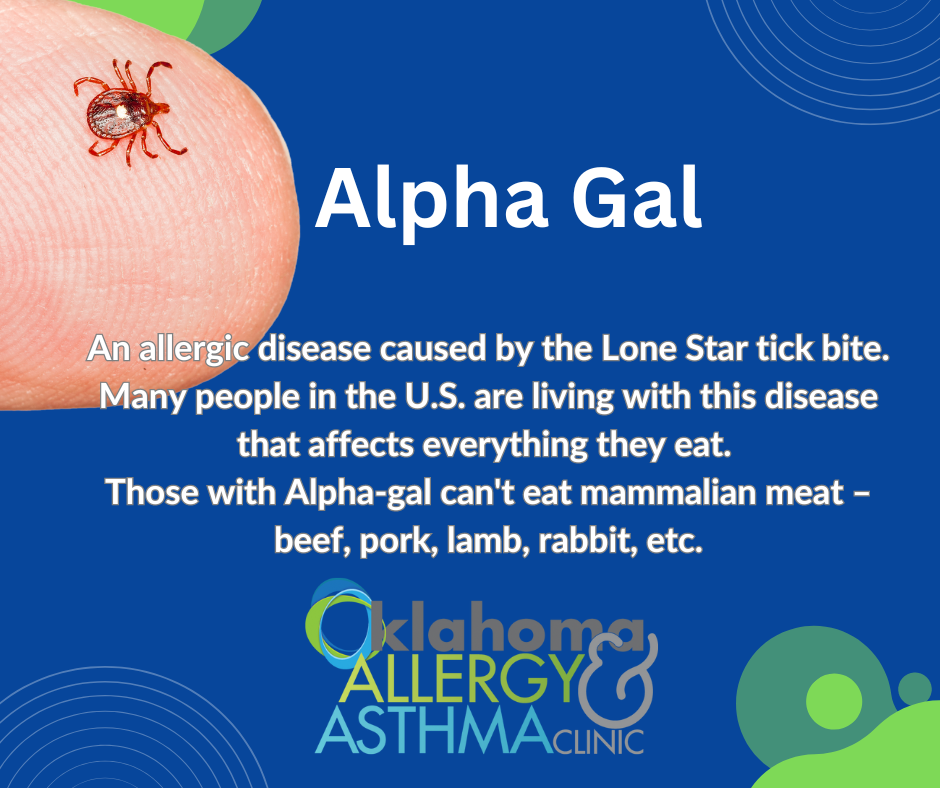
Lone Star Tick Bite – Alpha Gal

An article in Allergic Living magazine focused on the Alpha-gal allergy – an allergic disease caused by the Lone Star tick bite. However, you may be surprised at how many people are living with this disease that affects everything they eat. Those with Alpha-gal can’t eat mammalian meat – beef, pork, lamb, rabbit, etc. Turns out best-selling author, John Grisham, suffers from this disease, according to the article.

Grisham who keeps meticulous notes, found out in 2012, after working with his allergist on his case of his skin feeling like it was on fire. His hives were actually a reaction to eating mammalian meat.

According to the article, Grisham has become an old pro at managing his meat-restricted diet with the help of his wife, Renee, who also has the disease. He has learned to savor healthy alternatives to beef and pork although he regularly gets red meat cravings.

He and Renee live near Charlottesville, Virginia, while beautiful and historic, is a favorite habitat to the Lone Star tick.

There is no treatment for red meat allergy beyond avoiding the consumption of red meat and in some cases, dairy and gelatin. There is a chance this allergy may resolve over time if the affected person prevents getting another tick bite. As research advances, there is hope a better treatment of red meat allergy will be found.

“With our mild winter, ticks are out, and ready to bite,” says OAAC Board-Certified Allergist Dr. Laura Chong. “Warmer weather means we are starting to spend more time outside. Be sure and take your tick prevention precautions for you and your pets that carry them inside your house.”


The post Lone Star Tick Bite – Alpha Gal appeared first on Oklahoma Allergy and Asthma Clinic.

Previous Article Stinging Insect Allergy Can Ruin Outdoor Activities
Next Article Grass Pollen Allergy
Print
21
Terms Of UsePrivacy StatementCopyright 2026 by Oklahoma Allergy and Asthma Clinic
Back To Top